

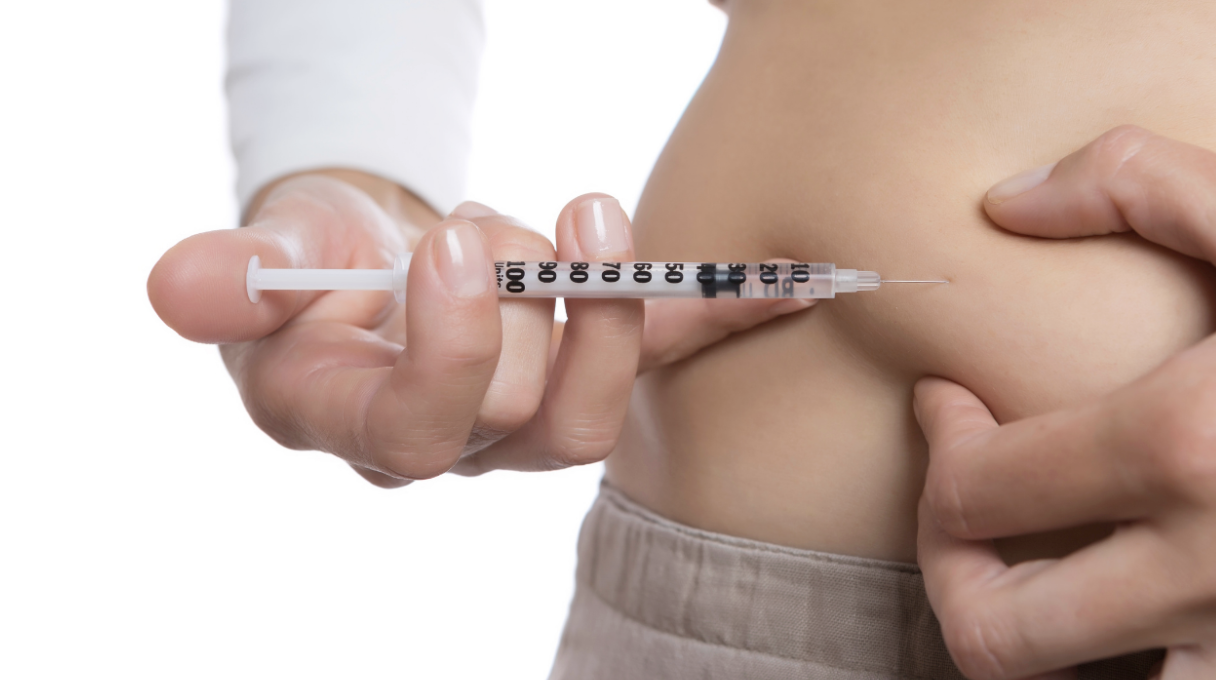
As a physician, I’ve loved to witness an important shift happening lately: we’re finally starting to understand obesity as a complex metabolic condition, not a character flaw.
For way too long, many people blamed themselves for struggling with hunger, cravings, overeating, and weight gain… But appetite regulation is so complicated! Hormones, insulin resistance, menopause, sleep, stress, genetics, medications, and brain reward pathways all play a role.
This is why GLP-1 medications like semaglutide (Ozempic & Wegovy) and tirzepatide (Mounjaro & Zepbound) have been so helpful for some patients.
These meds mimic hormones your body naturally produces that help regulate appetite, digestion, blood sugar, insulin secretion, and feelings of fullness. One of the biggest benefits many patients report is a significant reduction in “food noise” – no longer constantly thinking about food, cravings, snacking, and hunger.
But the benefits, in the right patients, go far beyond that. These meds can also improve:
- visceral fat (the “dangerous” kind)
- insulin sensitivity
- fasting glucose and A1C
- triglycerides and cholesterol
- blood pressure
- fatty liver disease (precursor to liver failure)
- inflammation
However….
These meds can also come with significant side effects and risks, including nausea, vomiting, constipation, reflux, diarrhea, dehydration, and even more serious conditions like gallbladder disease, pancreatitis, kidney disease, and bowel obstruction.
One of the most common and most serious side effects is muscle loss.
Muscle is one of the most important tissues we have for long-term health and function. It plays a major role in metabolism, blood sugar regulation, mobility, balance, bone health, independence, and healthy aging.
When people lose lots of weight very quickly, especially while eating very little protein and not strength training consistently, a large percentage of that weight loss can come from muscle tissue, not just fat.
That’s why these meds should never be viewed as “take the shot and do nothing else.”
Patients do best when GLP-1s are paired with:
- sufficient daily protein
- progressive resistance training
- enough high quality sleep
- hydration
- intentional nutrition
- sustainable lifestyle changes
I strongly recommend getting a baseline body composition test before starting these medications and monitoring lean muscle mass over time – even for those who are microdosing. This way you can keep tabs on exactly how much muscle is being lost and make adjustments (to dosing, protein intake, and/or workout schedule) as needed.
The safest way to look at GLP-1 meds is not as a solution, but as one tool in your toolbox.
For some patients, they can be incredibly valuable and medically appropriate. For others, lifestyle interventions may be enough. And for most people, long-term success still comes back to the basics:
- build muscle
- eat enough protein
- limit ultra-processed foods
- protect your sleep
- manage stress
- create habits that are actually sustainable
Always remember: the goal should not simply be to make yourself smaller.
The goal is to become stronger, improve your metabolic health, and make your body as functional and resilient as possible – so you can live a long, healthy, happy, full life.
Free: The GLP-1 Muscle Guide
A woman’s guide to using protein to lose fat, build strength, and stay powerful through menopause.