

Your bathroom scale is kind of like that boyfriend you had in high school… you know it’s not reliable, but you keep going back to it.
Too often, women believe that body weight is the best measure of progress, when in reality, it’s one of the least informative metrics you can rely on, especially in peri- and postmenopause.
The scale tells you how much you weigh. That’s it.
It doesn’t tell you how much is fat, muscle, or water, nor how efficient your metabolism is. It fluctuates constantly based on factors that have nothing to do with fat loss, including hydration, sodium intake, stress, sleep, and hormonal shifts.
You could be doing everything right, in the midst of a magnificent transformation, losing fat, gaining strength, moving from high- or moderate-risk cardiovascular disease to low-risk, feeling better than you have in 10 years… and your weight doesn’t change. Or maybe it even increases.
Is that a failure? Or are you just looking at the wrong metric?
What I teach my clients is to step back and look at the right data – the data that actually tell the story of what’s going on in your body. Here’s what we look at:
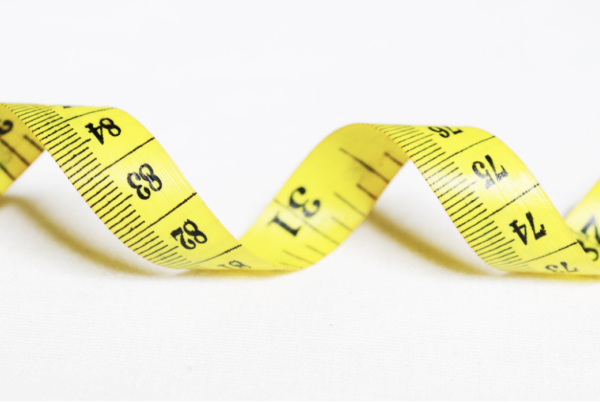
- Waist measurement. This is one of the clearest indicators of fat loss, especially visceral fat, which is the type most closely tied to your long-term health. When your waist circumference is decreasing, you're moving in the right direction, regardless of what the scale says.
- Energy and sleep. These aren't just “nice side effects.” They’re direct reflections of how well your body is functioning. If your energy is improving and your sleep quality is better, you can bet your metabolism and hormones are healthier.
- Hunger/Satiety. When your nutrition is dialed in, especially with sufficient protein and a structured approach to your meals, hunger becomes more predictable and manageable. You’re not constantly thinking about food, and you’re satisfied for longer after you eat.
- Mood. When you properly fuel your body and get regular exercise, you’re actively improving your brain chemistry, increasing endorphins and supporting neurotransmitters like serotonin and dopamine that regulate mood. This is one of the earliest signs that your plan is working.
- Strength. If you’re lifting heavier in the gym week to week, you're gaining muscle and strength. This is one of the most important drivers of metabolism, independence, and long-term health, especially as we age.
When these metrics are improving, you’re moving toward better health and body composition, no matter what the scale says.
Unfortunately, it's something that so many women get wrong.
This is one of the topics I cover in detail in my book, Your Metabolic Reboot. It’s one of the nine modules, and it gives you a clear framework for understanding your data so you can make decisions with confidence instead of reacting to the scale.
💪 If you’re tired of trying to navigate your health on your own, my 1:1 coaching program offers personalized nutrition and fitness coaching, ongoing accountability, and direct access to me for expert guidance, encouragement, and support every step of the way. Apply here.
Free: The Strong for Life Protein Guide
A woman’s guide to using protein to lose fat, build strength, and stay powerful through menopause.