

A friend said something to me a long time ago that I still think about often.
She said with a smile and a shrug, “I don’t mind being overweight. My husband thinks my pudgy belly is cute, and I’m not trying to impress anyone else.”
Ok… Yes, I was really glad for her that she feels comfortable in her body. That’s more than so many women can say.
BUT a healthy body composition (how much fat and muscle you have) is about so much more than appearance.
Most people don’t realize how strong the connection is among excess body fat, insulin resistance, and inflammation. In short, fat cells release inflammatory markers, which interfere with the way insulin functions. High insulin levels trigger inflammation, and both lead to increased fat storage. A truly vicious cycle. 😩
Many people also think that insulin resistance isn’t something they need to worry about if they have no family history of diabetes and they’re not obese.
Actually – insulin resistance is shockingly prevalent in the U.S.!
It’s estimated that up to 70% of U.S. adults have some degree of insulin resistance. And if you have excess body fat, you’re probably part of that cohort.
Super quick biology lesson:
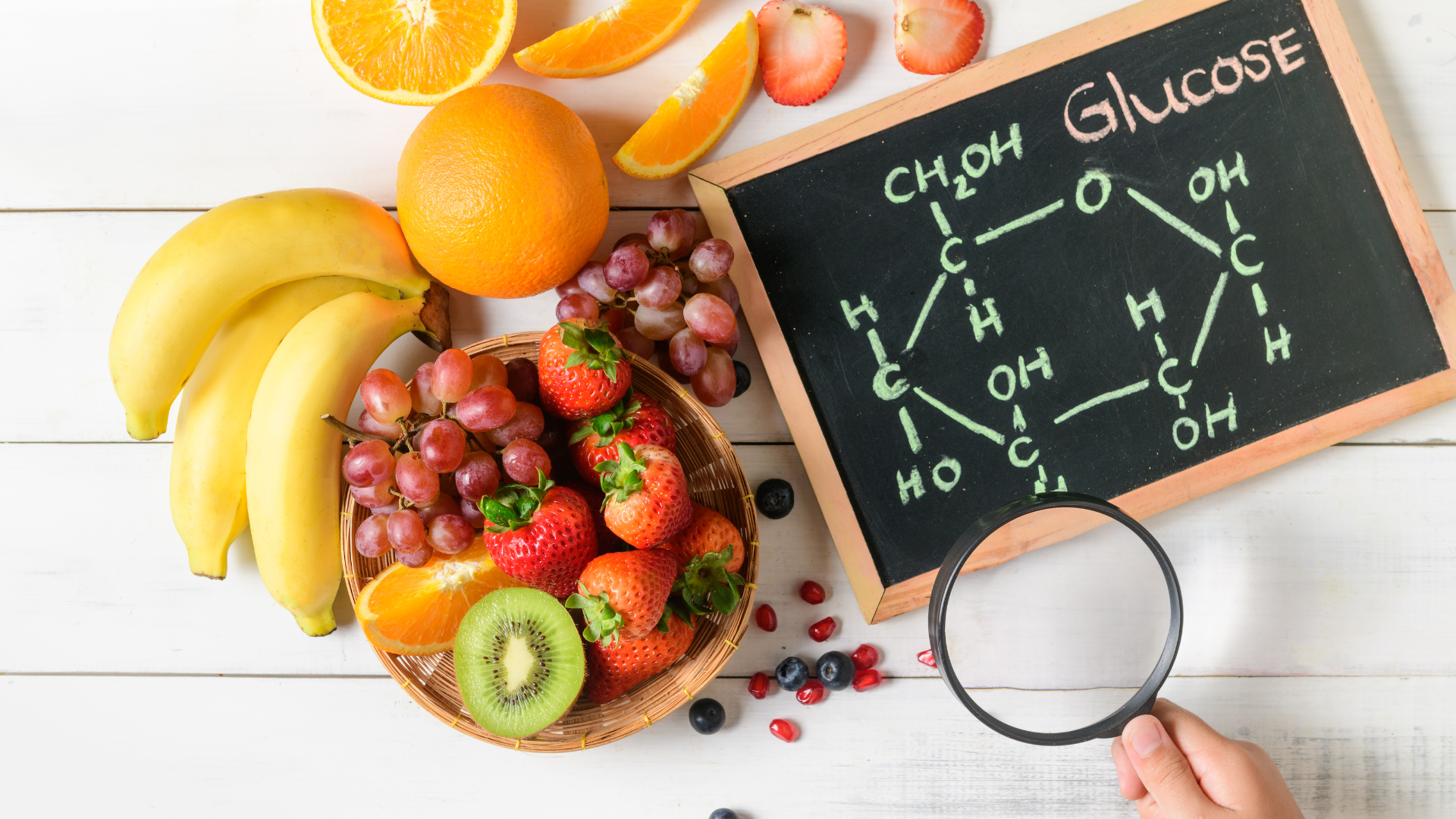
Insulin helps move glucose out of the bloodstream into the cells for use and for storage. When your body is exposed to high levels of glucose often (think frequent carb-heavy meals and snacks), your cells get overwhelmed with insulin and become less responsive to it, requiring more and more to get the needed effect. This is insulin resistance, and it’s a root cause of nearly all chronic diseases, from hypertension and heart attack to stroke and even some cancers.
The good news?
There are so many ways that you can combat this! Insulin resistance is often reversible when some solid lifestyle changes are put in place.
- ⚖️ Keep carbs in check: Be mindful of how much of your meal or snack is carbs – we want to avoid overwhelming the system.
- 🍗 Pair carbs with protein and fiber: These slow the digestion of carbs and keep your glucose levels steady.
- 🍓 Prioritize whole, minimally-processed foods: Whole foods naturally contain fiber and anti-inflammatory properties; processed foods typically have ingredients that contribute to insulin resistance through many different pathways.
- 👣 Move more: Simply taking a short walk after a meal helps significantly to avoid glucose and insulin spikes. Studies show that as little as 5 minutes can have a real impact!
- 💪 Build muscle: Muscle is our best defense against insulin resistance! Muscle acts like a sponge soaking up glucose from the bloodstream. In fact, muscle is responsible for over 80% of glucose uptake following a meal! The more muscle you have, the less you rely on insulin to manage glucose, and the less you have to worry about insulin resistance.
- 😊 Sleep and stress: These play a big role too, unfortunately. If your kids are anything like my kids, getting 8 hours of sleep is nearly impossible. Just do the best you can.
Moral of the story?
Get your husband one of these if he wants something to squish!
Trade fat for muscle to protect yourself from insulin resistance and inflammation, and reduce your risk of nearly every chronic disease.
More on the relationship between muscle and insulin resistance here.
Free: The Strong for Life Protein Guide
A woman’s guide to using protein to lose fat, build strength, and stay powerful through menopause.